Weekend Plans: Outdoor Festivals vs. Indoor Arts Events in SoCal
@canyonrambles
November 15, 2026 · 7 min read
Choosing your weekend vibe in Southern California
Every weekend across Southern California, a familiar choice presents itself: do you head to an open-air festival with music stages, food trucks, and a crowd stretched across a park, or do you step into a cool gallery, a theater, or a workshop space for a more contained cultural experience? The answer depends on your mood, the weather, and the kind of connection you want to make with the local scene. This cultural event guide walks through what each option offers so you can decide which suits your weekend best.
Southern California is a region defined by its outdoor lifestyle. The mild climate means that from early spring through late autumn, the chances of a sunny, pleasant day are high. That makes outdoor festivals a natural fit. Whether it's a music festival in a coastal park, a food and wine gathering in a vineyard, or a community block party with live performances, the open-air setting invites a certain looseness. You can wander, sit on the grass, eat while standing, and move between stages. The atmosphere tends to feel casual and social. Conversations happen more easily. The boundaries between activities blur, which can make an afternoon feel like a small journey.
Indoor arts events offer a different kind of richness. An art walk, a gallery opening, a theater production, or a workshop in a studio space asks for more focused attention. The lighting is controlled. The sound is contained. You engage with work on its own terms, often in silence or with quiet discussion. These events can feel more intimate. You might find yourself standing in front of a single painting for several minutes, or listening to a spoken-word piece without distraction. The crowd is usually smaller, and the pace is slower. For many people, that depth is exactly what they want from a weekend outing.
What each setting does for your experience
The biggest difference between outdoor festivals and indoor arts events is how they shape your attention. At a festival, the environment itself is part of the show. The sky, the breeze, the distant sound of another band, the smell of food from a nearby stall - all of these elements compete for your senses. That can be exhilarating. It can also be overwhelming if you are trying to have a focused conversation or appreciate a subtle performance. Festivals thrive on energy and variety. They reward people who like to graze, to sample different things, and to let the day unfold without a strict plan.
In contrast, indoor events create a frame around the experience. The room is designed to direct your attention to what is on stage or on the wall. There are fewer distractions. The acoustics are better. The lighting is intentional. This allows for nuance. A chamber music concert, a contemporary dance piece, or a photography exhibition works best when the audience can concentrate. The trade-off is that the social element is usually less spontaneous. Conversations happen before and after, often in a lobby or a courtyard. The event itself asks for more stillness.
Practical factors that tip the scale
Weather is an obvious factor. Southern California is famous for its sunshine, but the region also has marine layers, gusty afternoons in certain canyons, and occasional heat waves. An outdoor festival on a 95-degree day with no shade can be draining. On the other hand, a cool, overcast morning can make a park festival feel perfect. Indoor events are climate-controlled, which means you can dress for the event itself rather than for the elements. If the forecast shows extreme heat or a chance of rain, an indoor option might be the comfortable choice.
Crowd tolerance matters too. Large festivals can attract thousands of people. The energy is high, but so are the lines for food, bathrooms, and parking. If you prefer a slower pace or have limited patience for waiting, a smaller indoor event will probably feel more rewarding. Gallery openings and theater performances usually have a set capacity, which keeps the experience manageable. You can move through a space without feeling pushed.
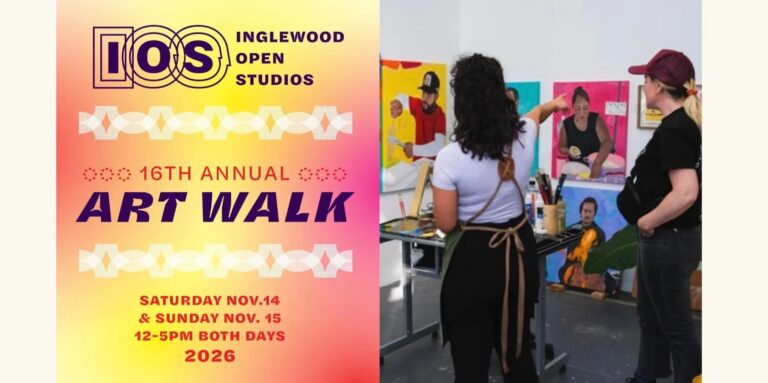
Cost is another consideration, though this article won't name specific prices. Outdoor festivals often have a range of ticket options, from general admission to VIP, and some are free community events. Indoor arts events can also vary widely, from free art walks to ticketed performances with reserved seating. The key is to check the event calendar ahead of time and see what fits your budget. Some indoor events require advance booking, while festivals often allow walk-up entry.
One thing to keep in mind when planning your weekend is that many of the most memorable Southern California events combine elements of both worlds. A street fair that closes down several blocks for live music and food stalls has the openness of an outdoor festival but the curated feel of a cultural district. An outdoor screening of a film or a play in a park offers a hybrid experience. The line between indoor and outdoor is not always sharp, and some of the best weekends involve moving between the two.
When outdoor festivals shine brightest
Outdoor festivals are at their best when the goal is discovery and variety. If you want to sample several types of music, try different cuisines, browse artisan booths, and run into friends, a festival is the natural choice. They are also ideal for groups with mixed interests. One person can watch a band while another browses a craft market, and you can meet back up later. The looseness of the format makes it easy to adapt.
Families with children often prefer outdoor festivals because kids can move around more freely. There is usually space to run, and activities like face painting, bounce houses, or craft stations keep younger attendees engaged. The noise level is also more forgiving. A toddler who needs to make noise is less disruptive outdoors than in a quiet gallery or theater.
For anyone who enjoys photography, outdoor festivals offer great opportunities. The natural light, the mix of people, and the colorful booths create lively scenes. You can capture the energy of the crowd and the details of the setting in a way that indoor spaces rarely allow.
When indoor arts events are the better fit
Indoor arts events excel when you want to engage deeply with a single art form. A theater performance demands your full attention, and the payoff is an emotional or intellectual experience that can stay with you for days. A gallery show lets you study the artist's technique up close. A workshop gives you hands-on time to learn something new, whether it's pottery, printmaking, or dance.
These events also work well for dates or small gatherings where conversation matters. The shared experience of watching a performance or walking through an exhibition gives you something specific to talk about afterward. The setting is quieter, so you can hear each other without raising your voice. If you are introverted or simply need a break from the bustle of daily life, an indoor event can feel restorative.
Rainy days or evenings with cooler temperatures are also a natural fit for indoor events. Southern California does get its share of grey weather, especially in the winter and early spring. Instead of canceling plans, you can pivot to a gallery or a theater and still have a satisfying cultural outing.
How to decide for any given weekend
A simple way to choose is to ask yourself what kind of energy you want. If you want to be part of a large, lively crowd and let the day guide you, pick an outdoor festival. If you want to focus on a specific art form and come away with a deeper understanding, pick an indoor event. You can also check the local event calendar to see what is happening in your area. Many neighborhoods in Southern California host regular art walks or weekend markets that blend both formats.
Another approach is to alternate. One weekend you go to a large festival and soak up the spectacle. The next weekend you attend a gallery opening or a live performance and enjoy the intimacy. Over time, you will learn which settings match your mood and your social energy. There is no wrong choice, only a choice that fits the moment.
Ultimately, the best cultural event guide is the one you build for yourself by paying attention to what makes a weekend feel satisfying. Some weekends call for sun and crowds. Others call for quiet and concentration. Southern California offers plenty of both, and the variety is part of what makes living here so rich.